Gab's Auto Repair Blog

by Gab’s Auto Repair 9 April 2026
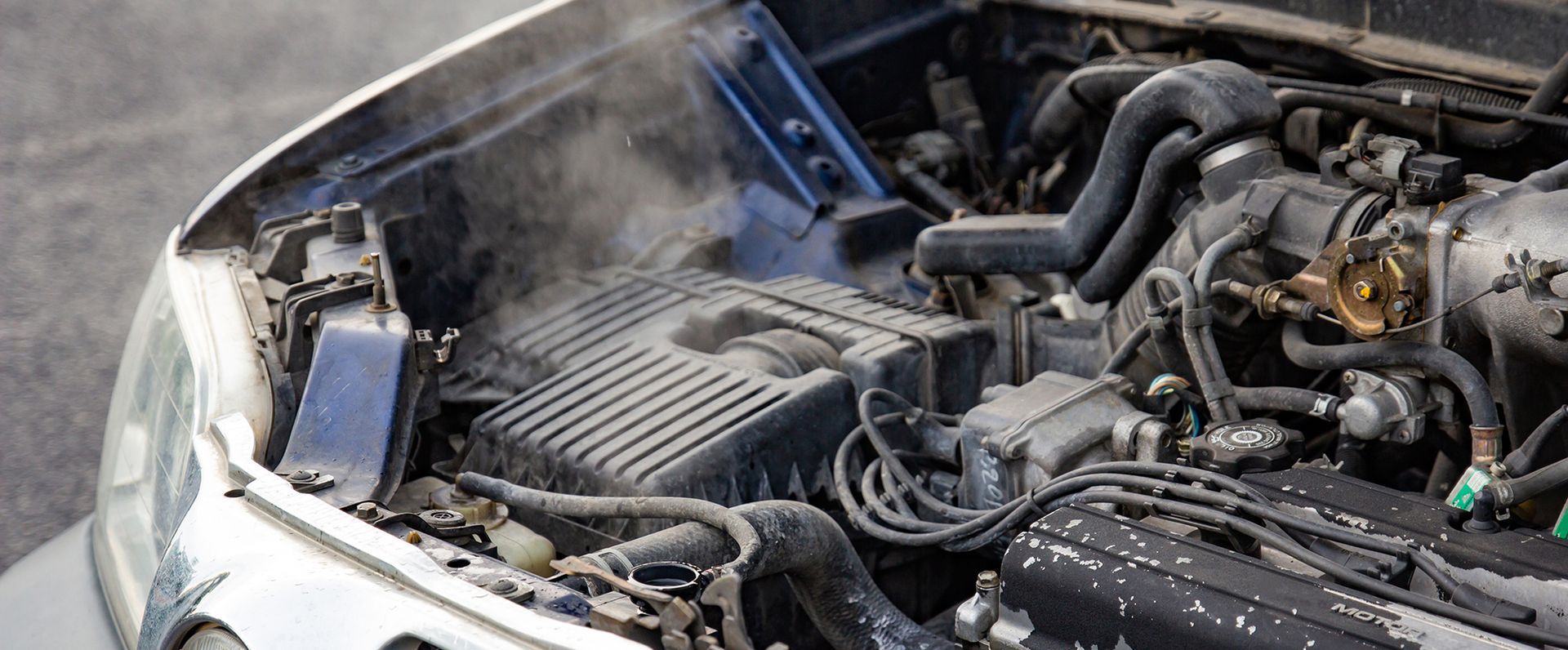
Your vehicle’s cooling system plays a vital role in preventing the engine from overheating. When this system isn’t functioning properly, it can lead to serious engine damage and costly repairs. Because of its importance, many drivers have questions about how the cooling system works and when repairs are necessary. At Gab’s Auto Repair, our local mechanics are happy to answer your questions about cooling system repair in the greater Phoenix, AZ area. What Does the Cooling System Do? The cooling system regulates your engine’s temperature by circulating coolant through the engine and radiator. As the coolant absorbs heat, it carries it away from the engine and releases it through the radiator. This process helps maintain a stable operating temperature and prevents overheating, especially during long drives or in hot weather. What Are Common Indications of Cooling System Problems? There are several warning signs that your cooling system may need attention. These include a rising temperature gauge, coolant leaks under your vehicle, or a sweet smell coming from the engine bay. You may also notice steam coming from under the hood. Any of these symptoms should be addressed promptly to avoid further damage. What Components Are Typically Repaired or Replaced? Cooling system repairs can involve several different components depending on the issue. Common parts that may need attention include the radiator, water pump, thermostat, and hoses. In some cases, a hose replacement may solve the problem, while other issues could require replacing components like the radiator or water pump. Why Is Coolant Maintenance Important? Coolant is essential for regulating engine temperature. Over time, coolant can become contaminated or lose its effectiveness. Regular coolant flushes and replacements help maintain proper function and reduce the risk of overheating or corrosion-related damage. Can I Drive with a Cooling System Issue? Driving with a cooling system problem is not recommended. Even a minor issue can quickly escalate into a major problem if the engine overheats. Continuing to drive under these conditions can cause severe engine damage, including warped components or a blown head gasket. Where Can I Get Cooling System Repair in Phoenix, AZ? For expert cooling system repair in Phoenix, AZ and the surrounding area, contact Gab’s Auto Repair at  602-404-3690  . Feel free to give us a call to schedule an appointment! And be sure to check out our current special offers !

by Gab’s Auto Repair 16 March 2026
Few dashboard warnings cause as much anxiety as the check engine light. Whether it appears as a steady glow or a flashing alert, this warning indicates that your vehicle’s onboard diagnostic system has detected a problem. While some issues are minor and easy to fix, others may require immediate attention to prevent further damage. At Gab’s Auto Repair, we provide expert check engine light diagnostics and repair in the greater Phoenix area. Here are four common reasons the check engine light illuminates. Failing Oxygen Sensor The oxygen sensor measures the amount of unburned oxygen in your vehicle’s exhaust system and helps regulate the air-fuel mixture. When this sensor fails, your engine may burn more fuel than necessary, reducing efficiency and increasing emissions. Symptoms can include poor fuel-economy, rough idling, or sluggish acceleration. Replacing a faulty oxygen sensor promptly helps restore performance and prevent issues with other components, such as the catalytic converter. Catalytic Converter Issues The catalytic converter reduces harmful emissions by converting pollutants into less harmful gases before they exit the exhaust system. If it becomes clogged or damaged, you may notice reduced power, decreased fuel-efficiency, or a sulfur-like odor. Mass Airflow Sensor Problems The mass airflow sensor measures the amount of air entering the engine and helps to ensure the correct fuel mixture for combustion. When this sensor malfunctions, you may notice rough idling, stalling, or difficulty starting your vehicle. A faulty mass airflow sensor can also reduce fuel-efficiency. Ignition System/Spark Plug Failure Spark plugs and ignition coils play a critical role in starting your engine and keeping it running smoothly. When they wear out or fail, the engine may misfire, vibrate, or hesitate during acceleration. Ignoring ignition system issues can lead to worsening engine problems. Check Engine Light Diagnostics & Repair in Phoenix, AZ For expert auto repair in Phoenix and the surrounding area, contact Gab’s Auto Repair at  602-404-3690  . At our local auto shop, we can thoroughly address your vehicle’s repair and maintenance needs. Feel free to give us a call to make an appointment for car care in greater Phoenix, AZ !
by Gab’s Auto Repair 14 February 2026
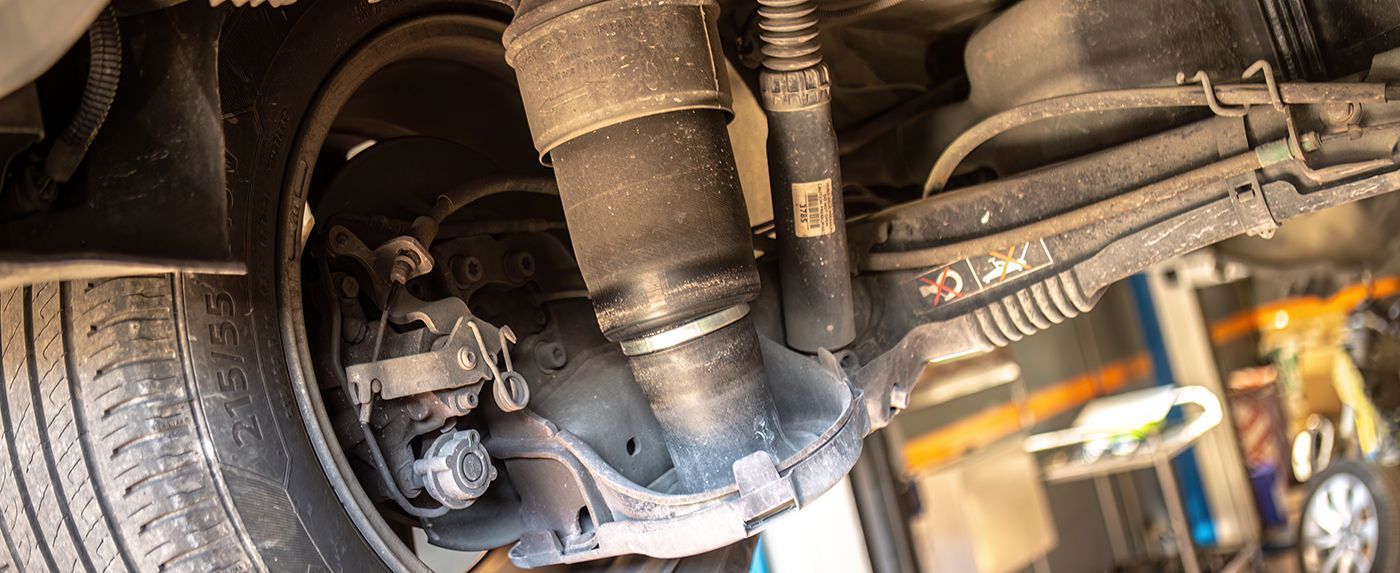
Your vehicle’s suspension system does more than just keep your ride comfortable. It plays a major role in handling, braking, and overall safety. When suspension components start to wear out, you may notice changes in how your car feels on the road. Because suspension systems are complex, many drivers have questions about what repairs involve and when they’re necessary. At Gab’s Auto Repair, we’re happy to answer your questions about suspension repair in the greater Phoenix, AZ area. What Does the Suspension System Actually Do? The suspension system is designed to absorb bumps, maintain tire contact with the road, and keep your vehicle stable during turns and stops. It includes parts like shocks, struts, springs, control arms, and bushings. Together, these components enable a smoother ride while also helping you stay in control. How Do I Know If My Suspension Needs Repair? There are several warning signs that may point to suspension trouble. If your car feels unusually bouncy after hitting a bump, pulls to one side while driving, or dips forward when braking, your suspension could be worn. Uneven tire wear is another common clue. You might also hear clunking or knocking sounds when going over rough roads. These symptoms commonly mean that one or more suspension components are no longer doing their job effectively. Is It Safe to Keep Driving With Suspension Problems? Driving with suspension issues can be risky. Worn parts reduce your ability to control the vehicle, especially during sudden maneuvers or emergency stops. Poor suspension can also increase stopping distance and cause your tires to lose consistent contact with the road. Over time, ignoring the problem can lead to additional damage to steering components or tires, making repairs more expensive. It’s best to have your vehicle inspected as soon as you notice changes in ride quality or handling. How Can I Extend the Life of My Suspension? While some wear is unavoidable, careful driving can help your suspension last longer. Slowing down over potholes, avoiding curbs, and not overloading your vehicle reduces stress on suspension parts. Regular inspections during routine maintenance visits can also catch small issues before they turn into major repairs. Keeping your tires properly inflated and aligned helps minimize strain on the system as well. Where Can I Get Suspension Repair in Phoenix, AZ? For expert suspension repair in Phoenix, AZ and the surrounding area, contact Gab’s Auto Repair at  602-404-3690  . Feel free to give us a call to schedule an appointment! And be sure to check out our current special offers !
by Gab’s Auto Repair 7 January 2026
Your vehicle’s transmission is one of its most complex components, responsible for transferring power from the engine to the wheels. When it’s properly maintained, your car shifts smoothly. Neglecting transmission care, however, can lead to costly repairs or even complete failure. By following a few smart maintenance practices, you can significantly extend the life of your transmission. Here are five tips for keeping your transmission in great health. Check Transmission Fluid Regularly Transmission fluid plays a critical role in lubricating internal components, reducing heat, and ensuring smooth gear shifts. Low or contaminated fluid can cause slipping, delayed shifting, and overheating. Make it a habit to check your transmission fluid according to your owner’s manual, paying attention to both the fluid level and color. Healthy fluid is typically bright red. If the fluid looks dark or smells burnt, it’s time to have it inspected by a professional. Follow the Recommended Service Schedule Vehicle manufacturers provide a transmission service schedule designed to maximize performance and longevity. This may include fluid changes, filter replacements, or system inspections at specific mileage intervals. Skipping these services can allow debris and contaminants to build up, increasing wear on internal parts. Staying on schedule helps prevent minor issues from turning into major, expensive repairs. Avoid Excessive Heat and Stress Heat is one of the leading contributors to transmission damage. Aggressive driving, frequent towing, or carrying heavy loads can put additional strain on the transmission and raise operating temperatures. When towing, ensure your vehicle is rated for the load. Driving smoothly and avoiding hard shifts can also reduce stress on the system. Address Warning Signs Early Symptoms like unusual noises, slipping gears, and delayed engagement should never be ignored. These signs often indicate developing problems that can worsen quickly if left unaddressed. Early diagnosis and repair are typically less expensive and can prevent extensive internal damage. Use the Correct Transmission Fluid Not all transmission fluids are the same, and using the wrong type can cause serious issues. Each vehicle requires a specific fluid formulation designed to work with its transmission components. Always use the fluid recommended by the manufacturer, whether you are topping off or having a full service performed. Transmission Service in Phoenix When you need auto repair in Phoenix and the surrounding area, contact Gab’s Auto Repair at  602-404-3690  . Feel free to give us a call to schedule an appointment. And be sure to check out our current special offers !
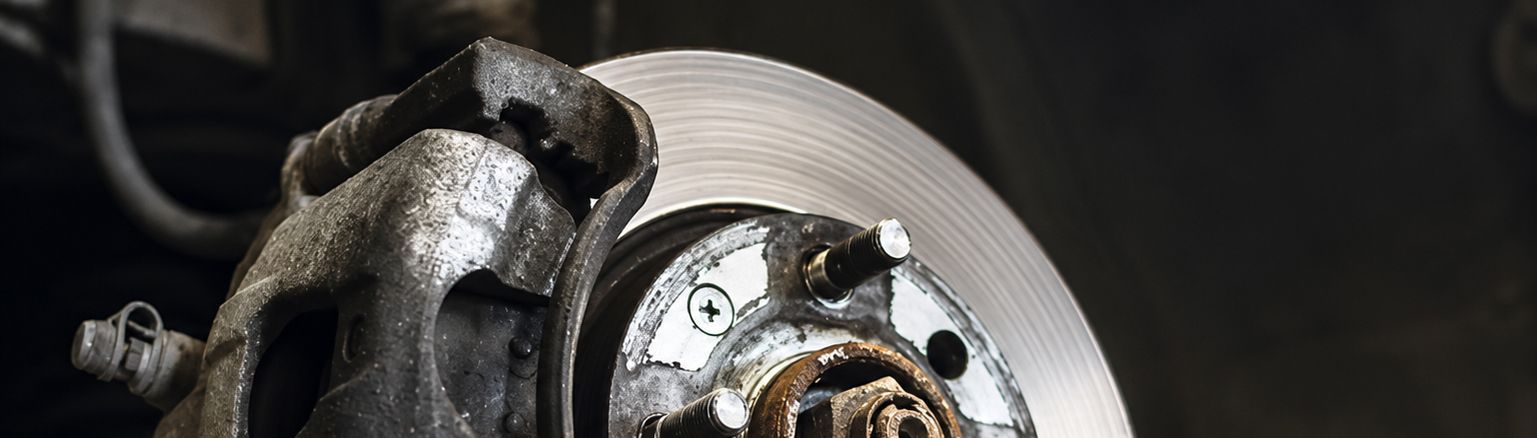
A car's brake caliper and rotor. The caliper is gray and the rotor is silver. The view is from a low angle.
by Gab’s Auto Repair 15 December 2025
Your vehicle’s brakes are its most critical safety system, and any issues should be taken seriously. Brake failure commonly involves some type of warning. Ignoring these signs can put you, your passengers, and other drivers at risk. By recognizing the early indications of brake problems, you can schedule repairs before your braking system becomes a danger on the road. At Gab’s Auto Repair, we provide expert brake repair in the greater Phoenix area. Here are four common warning signs of brake failure. Soft Brake Pedal If your brake pedal suddenly feels soft, spongy, or sinks closer to the floor than usual, it’s a major red flag. This change in pedal feel often points to air in the brake lines or low brake fluid, perhaps due to a leak, which creates a major safety risk. A soft pedal should never be ignored, as it can quickly worsen and leave you unable to stop your vehicle safely. Grinding or Screeching Sounds Unusual noises when braking almost always indicate a problem. A high-pitched screeching sound typically means your brake pads are worn down. Grinding noises are even more concerning, as they suggest the brake pads are completely worn out and metal is contacting metal. Continuing to drive with grinding brakes can damage your rotors and compromise your ability to stop. Vibrations When Braking If you feel shaking when slowing down, your vehicle may have warped brake rotors. Warping is commonly caused by excessive heat buildup. Vibrations not only reduce your braking efficiency but also signal that your brakes are under stress—and may be on the path toward failure if not repaired. Dashboard Brake Warning Light Most modern vehicles are equipped with sensors that alert you to brake system problems. If your brake warning light illuminates, it’s important to have your vehicle inspected immediately. This may indicate low brake fluid or other issues that could affect your braking performance. Even if the car seems to stop normally, the warning light should be taken seriously. Brake Repair in Phoenix, AZ When you need auto repair in Phoenix and the surrounding area, contact Gab’s Auto Repair at  602-404-3690  . At our nearby auto shop, we can expertly complete your vehicle’s repair and maintenance needs. Feel free to give us a call to make an appointment! And be sure to check out our current special offers !
Close-up of a car engine with belts, pulleys, and alternator, various metallic components.
by Gab’s Auto Repair 18 November 2025
Your car’s alternator plays a crucial role in keeping your vehicle running. It generates the electrical power needed to charge your battery and operate essential systems such as the lights, radio, and air conditioning. When the alternator starts to fail, your car’s performance and reliability can quickly decline. Ignoring the signs can lead to a dead battery that leaves you stranded. At Gab’s Auto Repair, we provide expert alternator replacement and auto electric repair in the greater Phoenix area. Here are five warning signs that it may be time to replace your alternator. Problems with Lights One of the common signs of alternator trouble is dimming or flickering headlights and dashboard lights. Because the alternator powers your car’s electrical system, any inconsistency in its output can cause the lights to fluctuate. This uneven lighting is often a clear indication that the alternator is struggling to maintain a consistent voltage level. Warning Light on the Dashboard Most vehicles are equipped with a dashboard warning light shaped like a battery or labeled ALT or GEN. When this light comes on, it usually means there’s an issue with the charging system. While the problem could be related to the battery, a failing alternator is one of the most common causes. If this light appears and stays on, it’s important to have your charging system tested right away to prevent a sudden loss of power. Electrical System Malfunctions A failing alternator may cause various electrical components to act unpredictably. You might notice slow or malfunctioning power windows, dim interior lighting, or a struggling air conditioner. Since the alternator provides electricity to these systems, a weak or failing one can lead to inconsistent performance. If multiple electronic accessories are behaving strangely at the same time, the alternator could very well be to blame. Dead or Weak Battery While a bad battery is often the first suspect when your car won’t start, the underlying issue may actually be a failing alternator. If the alternator isn’t properly charging the battery, it will gradually lose power until it can no longer start the engine. If your battery dies repeatedly even after being replaced or recharged, it’s a strong sign that the alternator isn’t doing its job. Unusual Noises A failing alternator can produce grinding or whining noises caused by worn bearings or a belt-related issue. Abnormal noises should never be ignored, as they can indicate that the alternator may be close to failure. Alternator Replacement & Auto Electric Repair in Phoenix When you need auto repair in Phoenix and the surrounding area, contact Gab’s Auto Repair at  602-404-3690  . Feel free to give us a call to schedule an appointment! And be sure to check out our current special offers !
Show More →